Door-to-door waste collection activities involve visiting each household, shop, and small business daily to collect waste in an organized, safe, and hygienic manner. The goal is to ensure clean streets, reduce littering, and promote proper waste management.
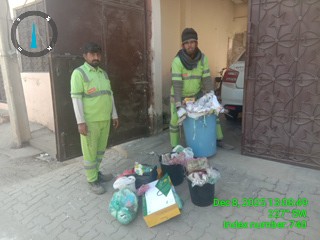
Follow a pre-assigned collection route. Ensure timely arrival at each street and neighborhood. Maintain a record of covered areas.
Household Communication
Notify residents using a bell, whistle, or vehicle horn. Politely request households to hand over their waste. Educate residents on segregation (dry/wet waste) when needed.
Waste Collection
Collect household waste from each home, shop, and unit. Encourage residents to keep waste in closed bags. Separate waste if the system requires: Organic / Wet waste Dry / Recyclable waste Hazardous waste (if applicable)
Use of Proper Tools
Collection cart, wheelbarrow, tricycle, or small vehicle. PPE must be worn: gloves, mask, reflective jacket, safety shoes. Waste bins or containers for segregated materials.
Safe Handling of Waste
Avoid direct contact with waste. Ensure bags are tied and properly collected. Do not mix medical, chemical, or sharp waste with domestic waste.
Transporting the Waste
Move collected waste to the nearest Primary Collection Point (PCP) or Transfer Station. Ensure waste is not spilled during transportation. Cover the cart or vehicle if required.
7. Billing or User Charges (If Applicable)
Maintain a record of household details. Issue receipts or collect monthly user fees where required. Submit collected data to the supervisor/office.
8. Complaint Reporting
Report issues like: Residents not handing over waste Overflowing bins Blocked streets Large waste or bulky items Log complaints through mobile app or manual register.
9. Public Awareness Educate families on proper waste disposal. Encourage the use of bags and segregation. Promote government cleanliness initiatives.