Manual sweeping activities involve cleaning streets, roads, footpaths, public spaces, and facility areas using manual tools and equipment. These tasks are performed by sanitation workers to maintain cleanliness, hygiene, and a safe environment for the community.
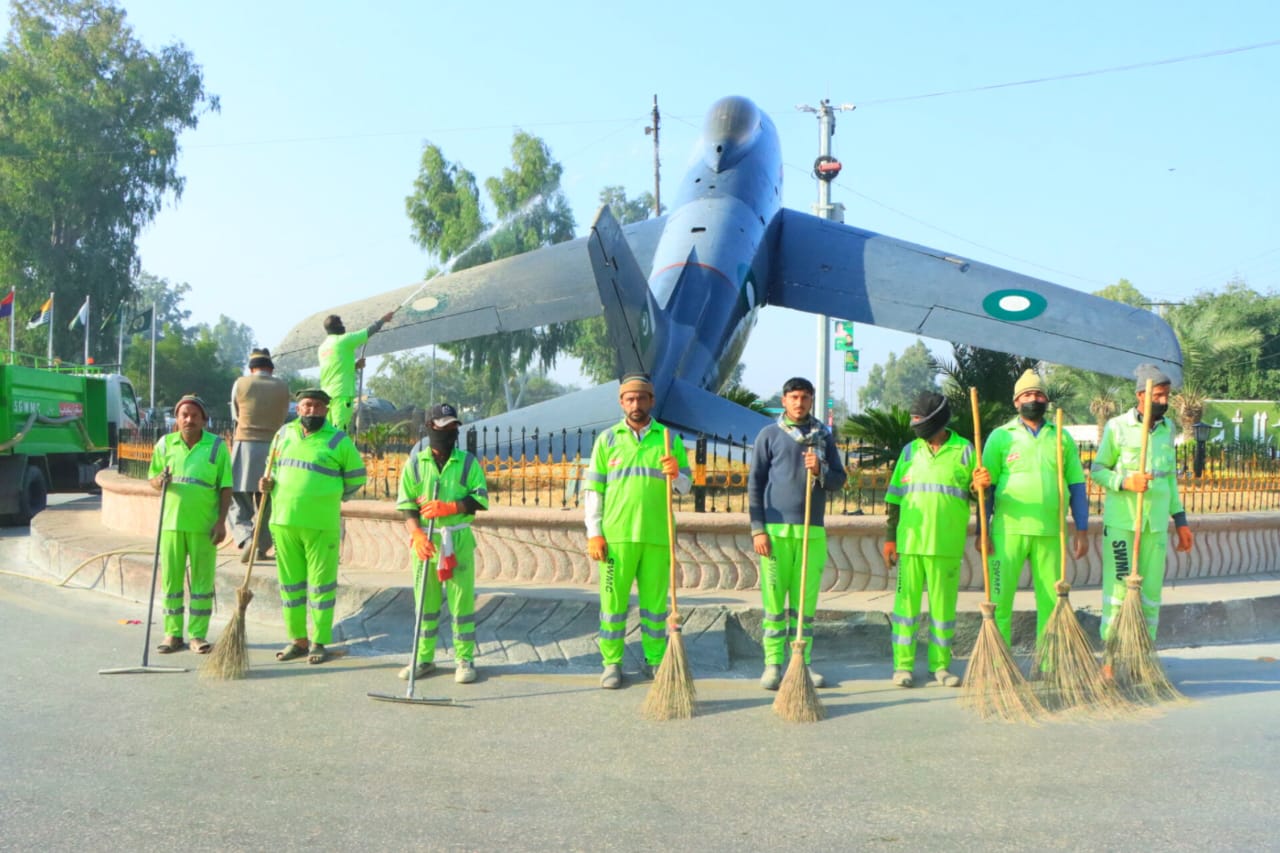
1. Pre-Cleaning Inspection Inspect the assigned area before starting work. Identify litter, debris, overflowing bins, or hazardous waste. Note any obstructions such as parked vehicles, construction, or waterlogging.
Litter Collection
Pick up visible trash such as plastic, paper, leaves, wrappers, food waste, bottles, etc. Use a litter picker, hand gloves, and trash bag. Segregate recyclable and non-recyclable waste where applicable.
Sweeping of Streets & FootpathsSweep the area using a broom in a systematic pattern (left-to-right or forward-backward). Ensure dust is swept gently to avoid airborne pollution. Move debris into neat piles for easy collection.
Kerb, Drain & Edge Cleaning
Sweep and clean kerbstones, road edges, and open surface drains. Remove silt, dust, leaves, and blockages carefully.
Waste Collection & Disposal
Collect all swept waste into designated dust pans. Transfer waste into waste collection bins or municipal trolleys. Ensure no waste is left scattered after disposal.
Cleaning of Public Spots
Sweep around bus stops, markets, footbridges, parks, schools, and commercial fronts. Clean areas around garbage containers to avoid litter spread.
Safety & Hygiene Practices
Wear PPE: gloves, mask, uniform, safety shoes, reflective jacket. Maintain proper posture while sweeping to avoid injury. Report hazardous materials immediately (glass, chemicals, needles).
Post-Cleaning Inspection
Recheck the entire area to ensure complete cleanliness. Take photos or log entries (if reporting system is used). Note any required follow-up tasks such as heavy lifting, drain unclogging, or machine sweeping.