Introduction to SWMC Mianwali

The Solid Waste Management Company (SWMC) Mianwali is an organization dedicated to improve waste management practices within the Mianwali district. Its mission is to ensure effective and sustainable handling of solid waste to maintain hyganic envoirment in public sector, cleanliness, and environmental protection in the region.

SWMC Mianwali focuses on the systematic collection, transportation, treatment, and disposal of solid waste generated by households, commercial areas, and institutions. The company also promotes awareness programs to encourage waste segregation at the source, recycling, and minimizing environmental pollution.

By collaborating with local government authorities, communities, and stakeholders, SWMC Mianwali aims to create a cleaner and healthier environment for the residents of Mianwali, supporting sustainable urban development and improving the overall quality of life.
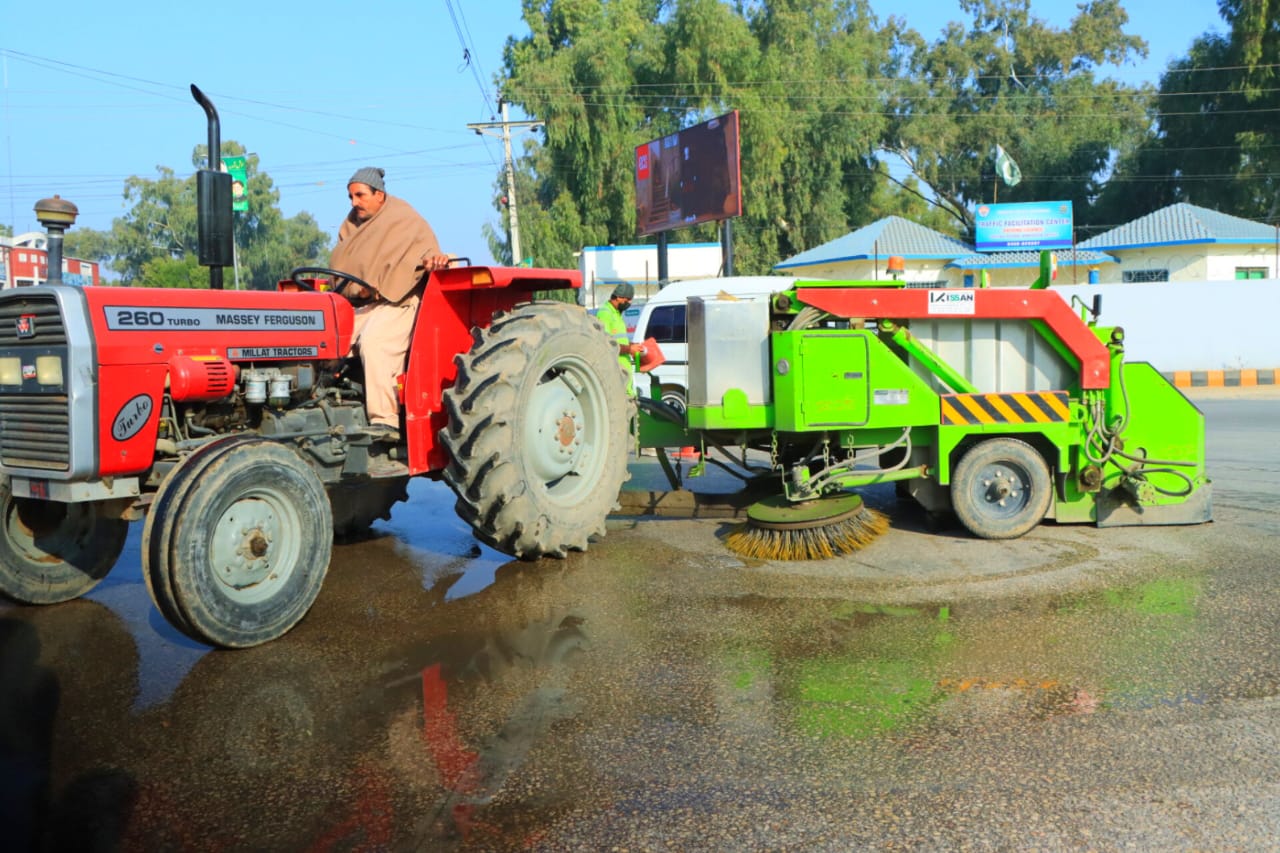
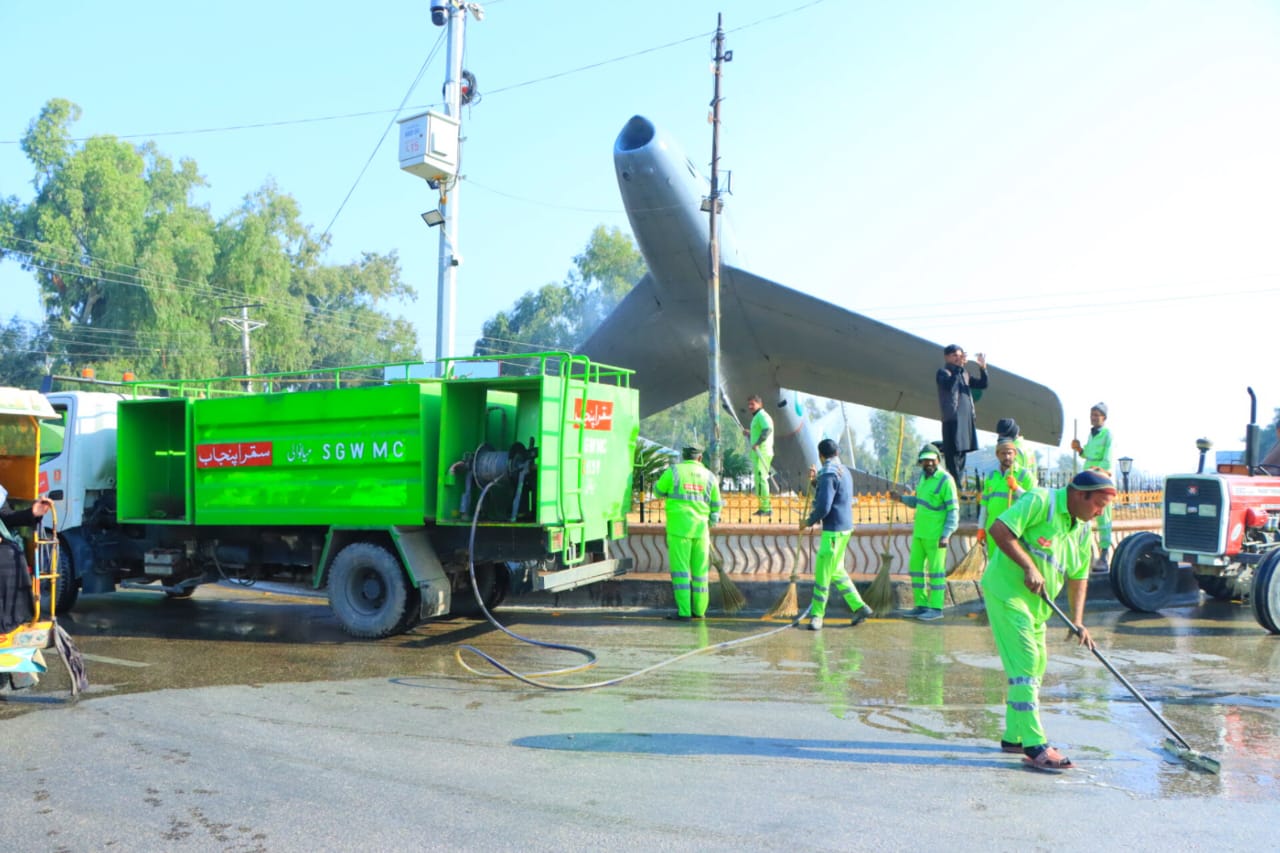
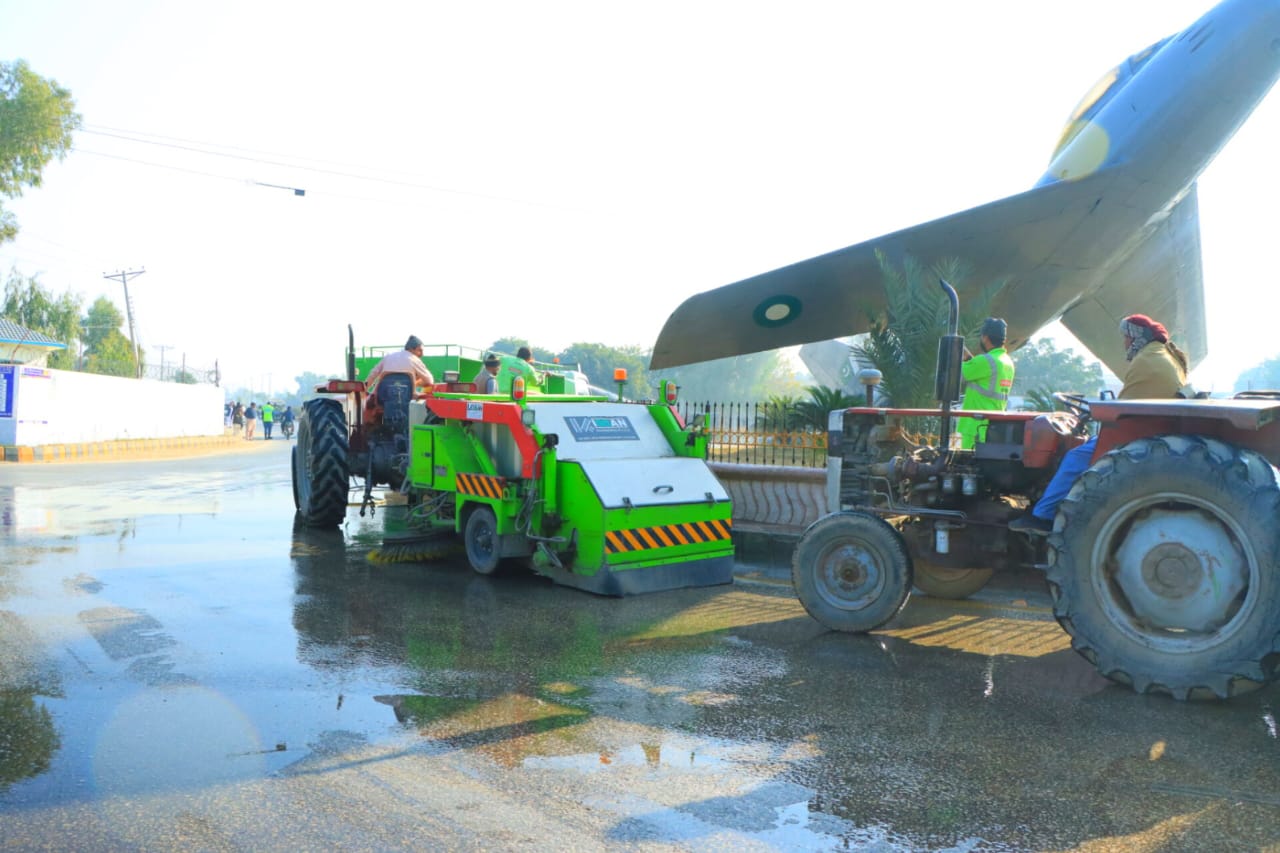
Project Manager Message
Ch. Muhammad Fazal Sail company is engaged to clean Tehsil Mianwali since Feb 2025, and in this short time period it has achieve very high standards of cleaning. Now our mission is to maintain those standards and get more improvement. "Our Motto is to be Number One in the region."

Temporary Collection Points

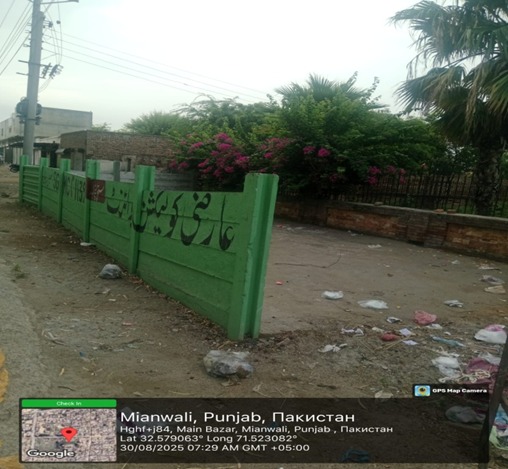
Under Suthra Punjab’s waste-management system, waste collected from households, shops, door-to-door, bulk-waste clearing, etc., is often first transported to these Temporary Collection Points (TCPs) rather than directly to final disposal sites. A TCP is a designated, structured waste-storage area: often with concrete (or RCC) flooring / precast planks, designed capacity (e.g. able to hold 150–200 tons of solid waste), and proper facilities for temporary waste storage before final transport. Urban and rural tehsils under Suthra Punjab are required to establish TCPs as part of their operational plan.
Why TCPs matter — Role in the Waste Management Chain
Using TCPs helps in several ways: Efficient aggregation: Instead of many small, inefficient trips from individual houses or small shops directly to faraway landfills, waste can be aggregated first at nearby TCPs — this reduces transport time and operational cost. Better logistics & scheduling: Waste-collection vehicles (door-to-door, bulk waste, etc.) can operate on local routes, then unload to TCPs — and from there larger transport trucks can take waste in bulk to dumpsites/landfills. Cleanliness & hygiene control: Having solid-floor TCPs ensures waste is stored in controlled conditions, reducing leakages, open dumping, and environmental hazards. Simplified monitoring & management: Under Suthra Punjab’s digital monitoring and contractual framework, contractors are evaluated on TCP establishment and waste-clearance from TCPs per defined KPIs